
Independent editorial guidance on compatibility, device settings, safety, and responsible use.
How to Install the Jellyfin Client on Android
Independent editorial guidance on compatibility, device settings, safety, and responsible use.
An Android phone can play media from a Jellyfin server you run or have permission to use. Start by identifying the phone, choosing a distribution channel, and confirming what the server administrator wants you to connect to. If you searched for “Como Baixar e Instalar o Jellyfin APK no Celular Android Passo a Passo,” this guide takes you from choosing the phone client to testing the first playback session.
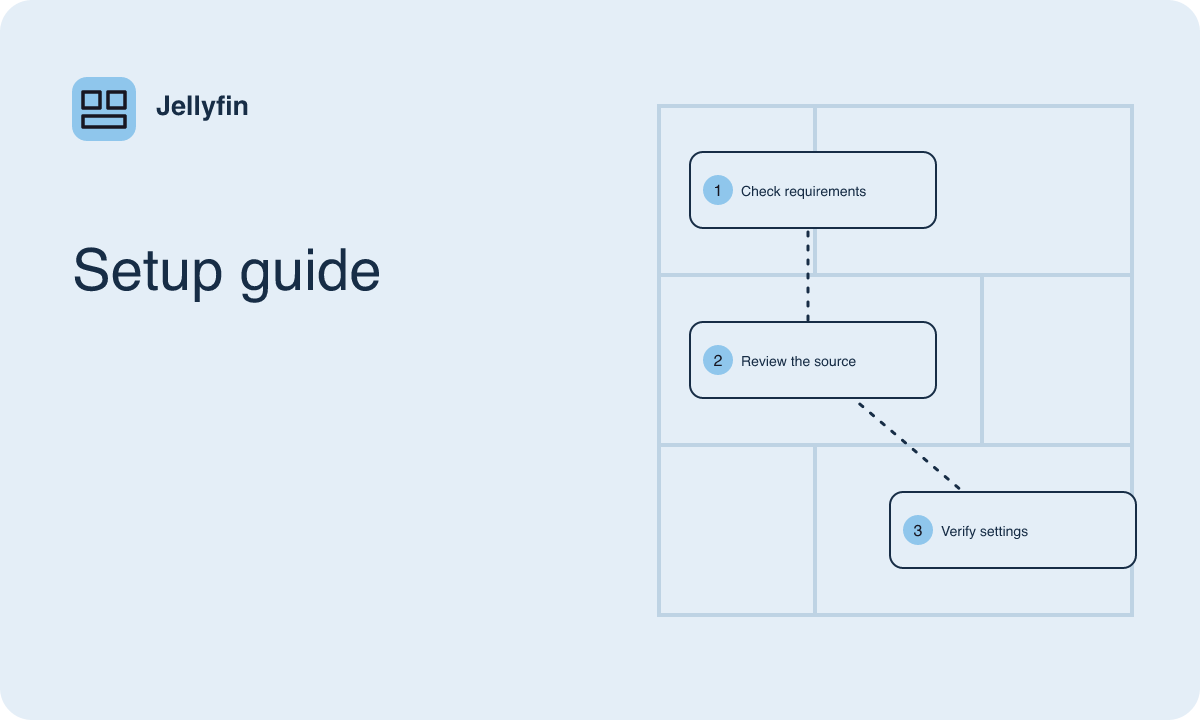
Confirm the phone and server are ready
Open the phone's system settings and find its Android version under the device information. Check that version against the requirements for the client listing or release you plan to use. A model name can appear on several generations of phones, and two phones with the same name can be on different software versions. If a store lists the client as unavailable, check whether compatibility, the device's management policy, or distribution in your region explains the result.
Have someone verify that the Jellyfin server is running. Your first test is easiest while the phone is connected to the same network as the server. If you already know the server works from a computer on that network, you have a useful reference for diagnosing the phone later. Also check that you have enough local space to install and update apps. On a work or school phone, device policy may control which apps you can install. Ask the device administrator before planning a manual installation.
Follow a distribution channel you can identify
Use the Jellyfin project's app directory or release documentation to find a channel that serves Android phones. Cross-check the listing or release against that reference, especially if a search turns up several similarly named apps. Look for documentation that mentions your phone's operating system and describes how updates are delivered. A television client may have controls designed for a remote, so select the phone client if your main interface is a touchscreen.
When a supported store route is available, open the listing on the phone and check that the store offers installation for that device. A listing you can read on another screen may still be unavailable on your phone. For a manually installed APK, confirm that the project points to the distribution source and that the package belongs to the phone client. If a release includes several files, use the notes to identify the correct variant. Save the source name for future updates. This will matter if you later switch phones or need to explain where the existing installation came from.
Install and review the prompts
For a store installation, use the store's install control and open the app after installation completes. If Android is managing several pending app updates, allow time for the download and installation to finish before troubleshooting. A launch icon may appear before the store finishes all of its work. You can return to the listing to see whether the device still shows a download, installation, or compatibility issue.
Manual installation uses the phone's package installer. Android may require approval for the app opening the package, such as the file manager or browser. Review the prompt and use only the source you identified for this installation. Once the package is installed, return to the corresponding system setting and turn off that app's permission to install unknown apps. Menu names vary across phones. Search Settings for the wording in the prompt if you need help finding the control again. If Android blocks installation or shows an unexpected security warning, pause and check the package and device restrictions through the documented distribution channel.
Connect the phone and test playback
Bring the phone onto the intended Wi-Fi network. Open the Jellyfin client and choose the server supplied by the person managing the library. If the app offers discovery, it may find a reachable server nearby. If nothing appears, check whether the phone is using guest Wi-Fi or cellular data. Guests can sometimes browse the internet even when the network keeps them separate from local computers.
Once the library loads, choose a short video you are allowed to watch. Try playing, pausing, and seeking. Repeat with a file you normally watch and enable subtitles if you use them. The first sample tells you whether the app can stream something at all. The second helps you identify format or playback settings worth checking. If the phone displays the library but can't play one particular item, ask the server administrator to compare it with a known working item. The administrator can often distinguish an issue with the stream from a general connection problem based on what the server reports.
Tune the phone for everyday viewing
Check the app's playback settings before a longer viewing session. If you watch on Wi-Fi and cellular, see whether the client lets you choose different quality settings for each connection. A high-quality stream can use significant mobile data. A lower quality setting can reduce the data sent to the phone, and the server may need more processing to produce that stream. Try a session under conditions that resemble where you plan to watch.
Review permissions in Android's app settings. Depending on your client and its features, local network, notification, casting, or media-related behavior may be controlled by app settings or by Android. Read the reason for a prompt before acting. If you share the phone, also consider how notifications and the list of recently used apps might display viewing activity. Try using the client in portrait and landscape, then check that playback controls and subtitle text are comfortable at the size you typically use.
Keep track of the installation for future updates
Note which channel installed the app and which Android version the phone is running. If a store manages the package, check its update screen when you need to find out whether an update is available to your device. For a package you installed manually, read the notes for the phone client from the same documented source before updating. Separate distributions can use different signing identities, so a package from another channel may fail to update an existing install. Check the release guidance before attempting a switch.
If your setup stops working later, identify the last point that succeeds. A failure to install, an app that closes at launch, and a library that loads but can't play a file each call for different information. Write down the Android version, the client release shown on the device, the installation source, and a short description of the result. You can use those details to ask a focused question without sharing the contents of your library or the information used to access your server.