
Independent editorial guidance on compatibility, device settings, safety, and responsible use.
Casting Jellyfin to Chromecast and Smart TVs
Independent editorial guidance on compatibility, device settings, safety, and responsible use.
Casting starts playback on a receiver connected to your television or built into it. The phone or computer usually selects the title and provides playback controls. If you found this guide by searching for “Como Transmitir o Jellyfin no Chromecast e Smart TV sem Atraso,” use the steps below to check compatibility and measure the delay in your own setup. Performance depends on how the receiver reaches the server, the media format, and the work the server does for that session.
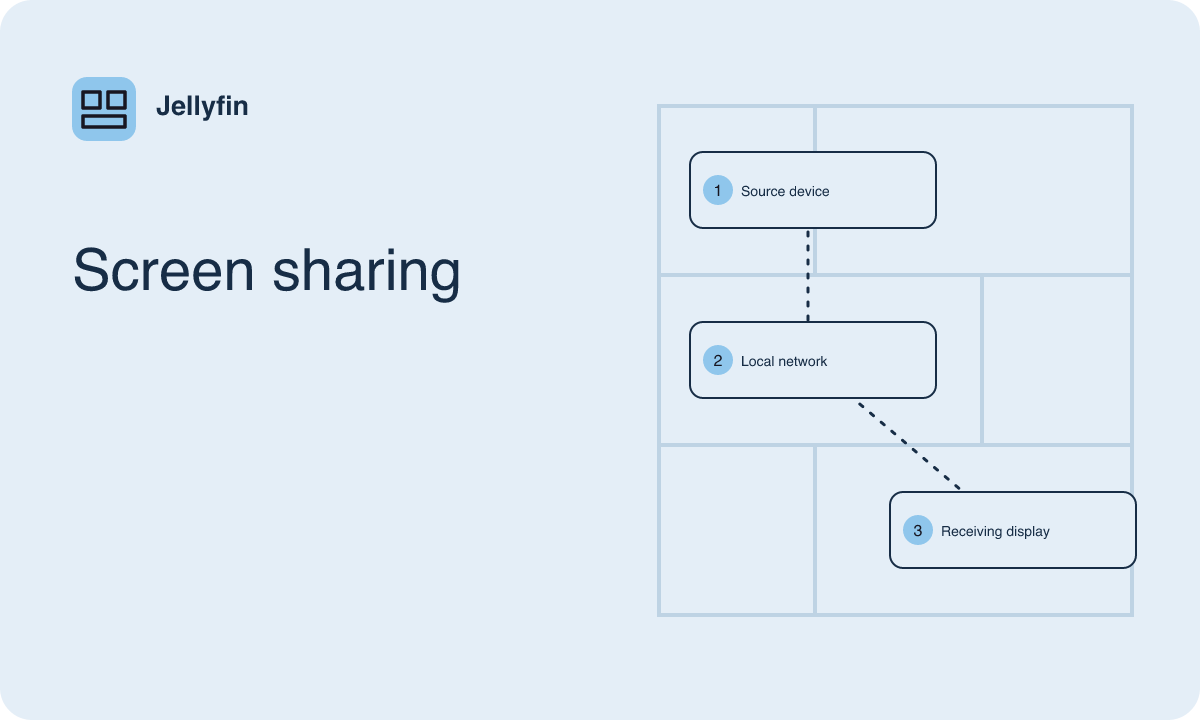
Identify the sender, receiver, and server
The sender is the phone, tablet, or computer where you choose the media. The receiver is what plays it on the television. A Chromecast connected to an HDMI input is a separate device from the TV. A TV with a built-in receiving feature uses its own system software. Record the exact model and software where you can. Check the Jellyfin client's documentation for which casting options it supports on your sender, then check how the receiver advertises its capability.
A television may offer screen mirroring, a separate video sharing feature, or casting under a similar name. Those capabilities can behave differently and may require different controls. Confirm that the receiver supports the method the Jellyfin client describes. A familiar icon printed on a box can be a clue, but the device settings and manual can tell you which features are enabled. If the device has its own app interface, check whether you are launching a client directly on the TV or sending a session from another device. These are different playback paths.
Put both devices on a network that supports discovery
Connect the sender and receiver to the intended home network. Confirm their active connections from the devices themselves, especially if a phone tends to switch to cellular data or if a television has both Wi-Fi and wired options. Some guest networks isolate devices from each other. A sender can have a strong internet connection while still being unable to find the receiver. If a managed network separates devices by design, ask its administrator whether casting is supported.
Review any local network permission relevant to discovery on the sender. Look at the wording in the operating system and the client's documentation before changing the setting. The receiver also needs a usable route to the server for the supported casting method. A phone that can browse the library proves the phone has access. It leaves open the question of whether the receiver can reach the media. If the device appears in the picker but playback never begins, this distinction gives the server administrator a useful place to start.
Run the first cast with an easy sample
Wake the receiver, choose the correct television input, and open the library on the sender. If the client provides a cast control, use it to select the receiver you intend to test. Check the name carefully in a household with several rooms. Try a short, ordinary video with stereo sound. Wait for the picture, then test pause and seek. Disconnect using the sender's cast control when you finish and confirm what the TV displays.
If the receiver appears but the screen remains idle, record whether it ever acknowledges the session. If it opens the player and then stalls, record whether there is sound or a loading display. Test the same file on the sender without casting. When local playback works and the cast stalls, focus on the receiver's connection and supported formats. A second authorized receiver or a native TV client can give you another comparison, provided you keep the sample file and network conditions as similar as possible.
Find out when the delay starts
Startup delay, slow response after seeking, and interruption during playback are different symptoms. Time roughly how long it takes between choosing Play and seeing the first frame. Then seek into the same clip and note how quickly playback resumes. Finally, watch long enough to see whether the picture and sound stay aligned. Write down which action caused the problem. You may find that the controls are slow while continuous playback is smooth.
Ask the administrator whether the server played the file directly or converted it during that session, if the playback information is available. A receiver can support a different set of formats from the sender. Play the clip again with the same quality and audio choices but with subtitles off. If the delay changes, check which subtitle track was selected and whether the playback method changed. Try one comparison at a time so that poor discovery, slow conversion, and wireless interference do not get mixed together.
Improve the setup around the television
Place the receiving device where its network signal is dependable, especially if it sits behind the television or near other equipment in a cabinet. If the receiver supports a wired connection, try it with the same sample and compare the result. Ask other viewers what they were doing when interruptions occurred. A pattern tied to busy evenings can help you identify when to repeat the comparison, whereas a freeze at the same moment of one recording points toward that file or track.
Audio sync can also depend on the television or external speaker setup. Start with the configured everyday audio output. If you can safely select the TV speakers for a brief comparison, see whether the delay changes on the same scene. Restore the standard output afterward. When a native TV client is documented and available, check the same title there. If that client handles your captions, audio, or remote better, it can be useful for long viewing sessions while casting remains convenient for picking a short clip.
Make it predictable in a shared home
Give receivers recognizable room names if the device lets you do so. Ask the people who use the TV to check the selected target before starting a personal recording. Use a sample title to see what the TV shows after the sender disconnects or leaves the room. Review any device permissions or settings that affect who on the local network can start or control a session. The right choices depend on how much of the network you share with visitors.
Keep the sender model, client release, receiver model, and typical playback settings in a small setup note. If casting later stops working, the first useful question is whether discovery, playback startup, or an established stream failed. With a short sample video and a clear description of that stage, you can reproduce the issue without exposing the contents of your library.